Magyar


Thank you! Your submission has been received!
Oops! Something went wrong while submitting the form.
The exhibition is open to the public:
1 April 2026 – 17 May 2026
Curator: Péter Baki
Opening: 31 March 2026, Tuesday, 6 pm
The exhibition will be opened by Ábel Szalontai DLA habil, photographer and Balogh Rudolf Prize laurate
We are pleased to inform our visitors that tickets for the exhibitions and programs at Mai Manó House are now available through multiple channels. To make planning your visit even more convenient, we offer the following options:
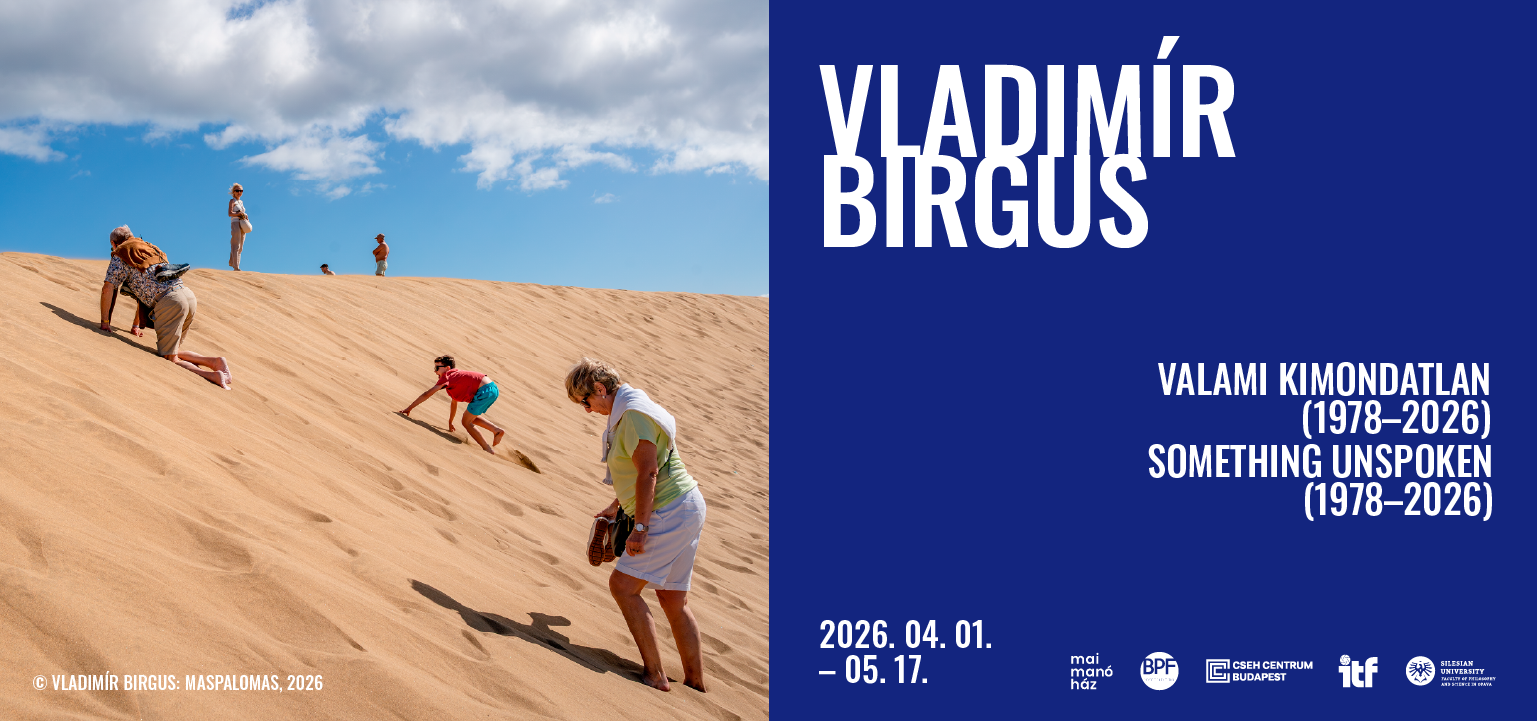
Vladimír Birgus is one of the most significant figures in Czech photography and has been a defining presence in Central European photographic culture for more than five decades. His work, however, extends far beyond artistic practice: throughout his career, he has played an important role as a photographer, historian of photography, curator, and educator. Few artists have made lasting contributions across such diverse areas of the photographic field. In Birgus’s case, these activities do not weaken but rather reinforce one another, making him a distinctive figure in the international discourse on photography and its history. It is difficult to say whether he is primarily a photographer who researches the history of photography or a historian of photography who also creates images—in his work, these two roles are almost inseparably intertwined.
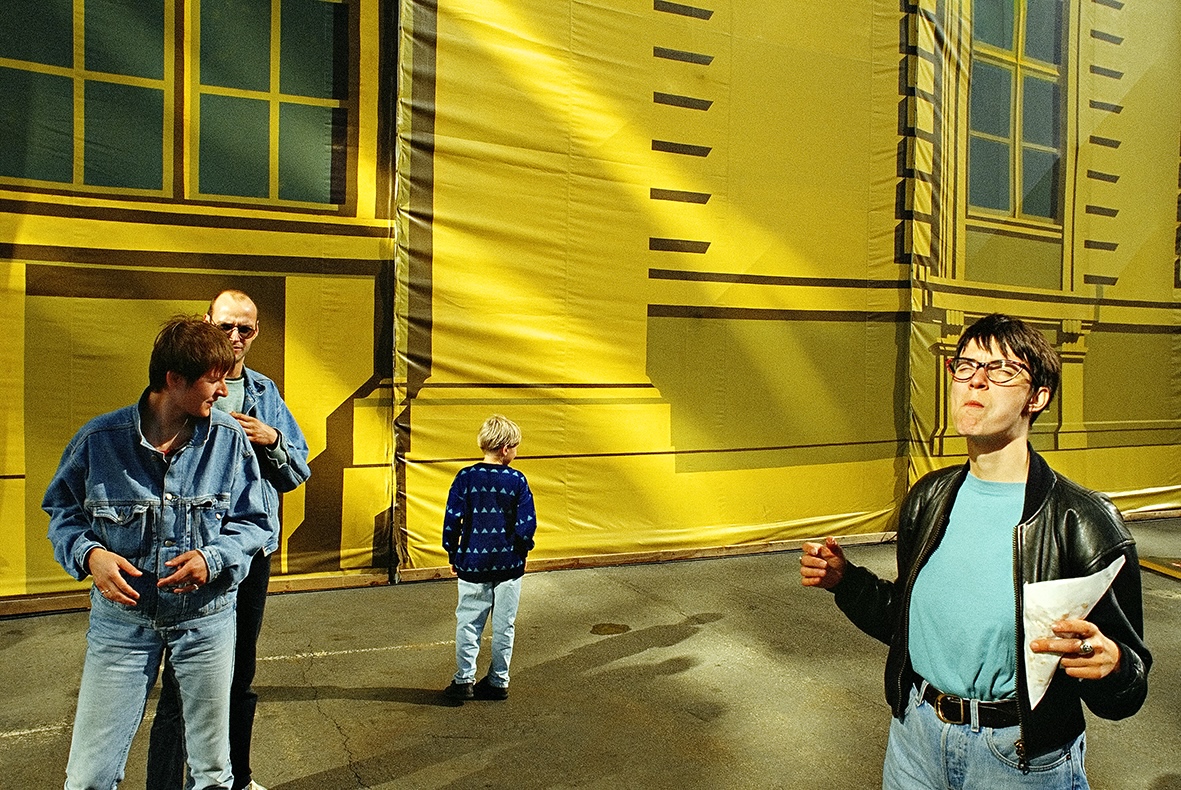
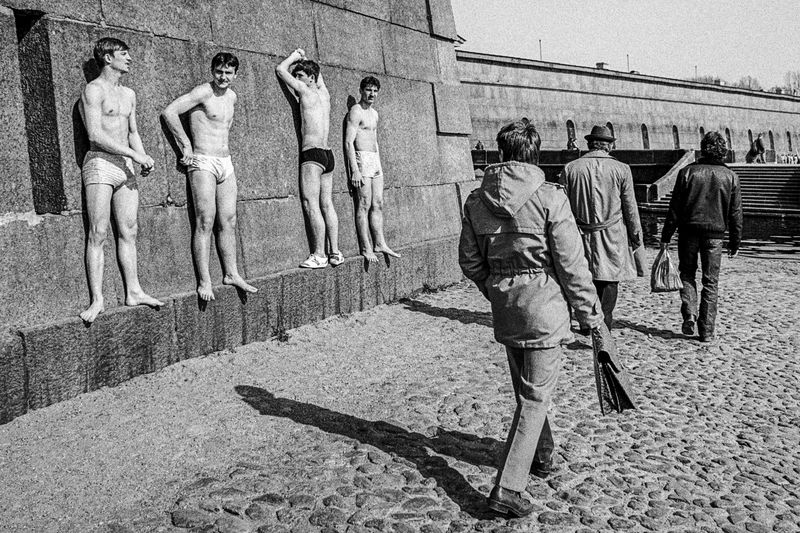
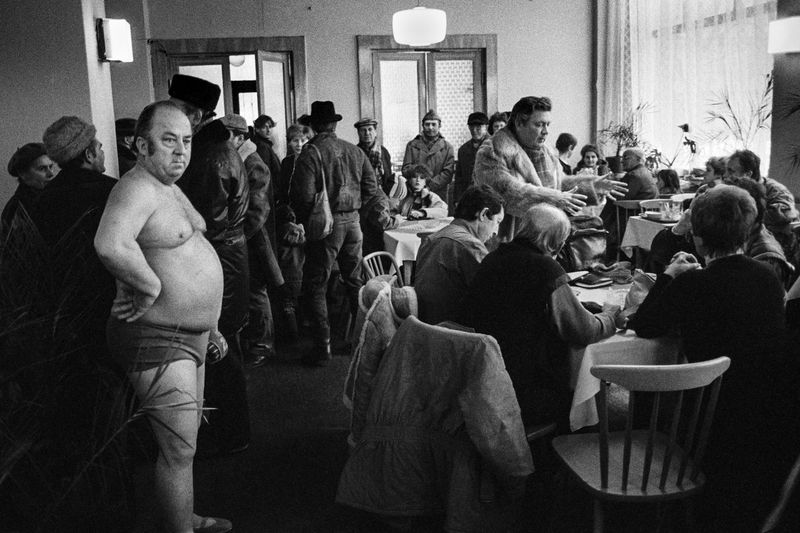
Birgus became known primarily as a documentary photographer in the 1970s and 1980s. His photographs capture fleeting scenes from everyday life in the countries of the former socialist bloc, sensitively responding to their social and cultural contexts. His images reveal the contrast between official propaganda and the everyday reality of Czechoslovakia at the time, as well as the bleak conditions across other countries of the Soviet bloc. In many of the photographs, it is striking that the subjects look directly into the camera. This gesture reflects both the more intimate relationship with photography characteristic of the era and Birgus’s own personality: his presence is perceived not as that of an outside observer but as a participant in the scene. This sense of immediacy lends authenticity to the images and contributes to their visual and thematic power.
The rich tradition of Czech modernist photography also shaped Birgus’s photographic vision. Twentieth-century Czech photography flourished in the works of artists such as František Drtikol, Jaromír Funke, and Jaroslav Rössler, whose modernist spirit became a defining reference point for later generations. Although Birgus’s photographs originate from the documentary tradition, they also carry forward this legacy: his compositions often rely on visual rhythms, formal correspondences, and the symbolic meanings embedded in everyday scenes.
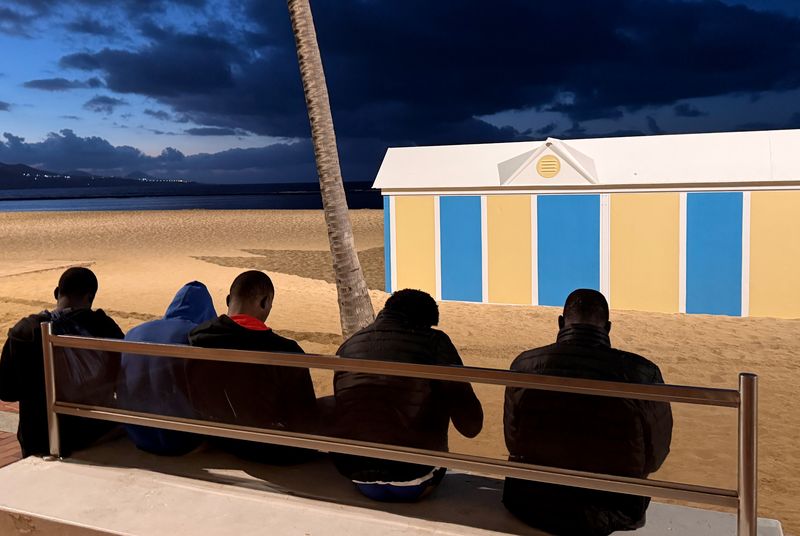
After the political changes in Central and Eastern Europe, the overall mood of Birgus’s images has not fundamentally changed. His work continues to be permeated by the visual expression of the distinctly Czech humor and irony characteristic of the region. At the same time, the transformation of the social environment adds new layers to his imagery. Human presence, moments that appear accidental yet are precisely composed, and the absurd or poetic aspects of everyday life remain defining elements of his work.
From the 1980s onward, Birgus consciously turned toward color photography at a time when black-and-white images still dominated the documentary tradition. In his work, color does not appear merely as a descriptive device but carries emotional and compositional significance. In the decade following the political transition, the painterly intensity of color became particularly pronounced in his photographs: details extracted from everyday scenes often create a symbolic, sometimes dreamlike atmosphere. As Václav Podestát observed, “Birgus’s colors have a painterly effect; his images seem at once real and dreamlike—the viewer becomes part of the scene, because it is impossible to remain indifferent.”
Alongside his creative practice, Vladimír Birgus has also played a major role in the research into the history of photography and in the organization of photography exhibitions. Through his studies, exhibitions, and books, he has made a significant contribution to bringing Czech photography greater international recognition. The exhibitions and publications he has curated and created now serve as important reference points in the interpretation of the history of Czech photographic art.
Birgus’s pedagogical activity is also outstanding. He began teaching early in his career and has since become a defining figure in Czech photographic education. As a professor at the Institute of Creative Photography at the Silesian University in Opava, he has launched the careers of generations of photographers; the number of his students has now exceeded 1,000. His influence as an educator is evident in both his own works and those of his students.
Photographs by Vladimír Birgus are in the collections of many major institutions worldwide, including the Musée Européen de la Photographie in Paris, the Museum Ludwig in Cologne, the San Francisco Museum of Modern Art, and the Tokyo Metropolitan Museum of Photography.
Vladimír Birgus’s photographs often arise from small, seemingly insignificant moments of everyday reality. Yet behind every image there lies something unspoken: a gesture, an ironic situation, an unexpected meeting of color or form. These moments make his work timeless and create the special atmosphere that repeatedly draws viewers back into the world of his images.
Suggested time to visit the exhibition: 30‒50 min.
Mai Manó House is not barrier-free.
Please note that audio and video recordings may be made on our events, from which Mai Manó House may use extracts to promote the institution's programmes.
The exhibition is a part of the official program of Budapest Photo Festival 2026.