Magyar


Thank you! Your submission has been received!
Oops! Something went wrong while submitting the form.
The exhibition is open to the public:
03 September 2026 – 25 October 2026
Curator: Matthieu Rivallin
Opening: 02 September 2026, Wednesday, 4 pm.
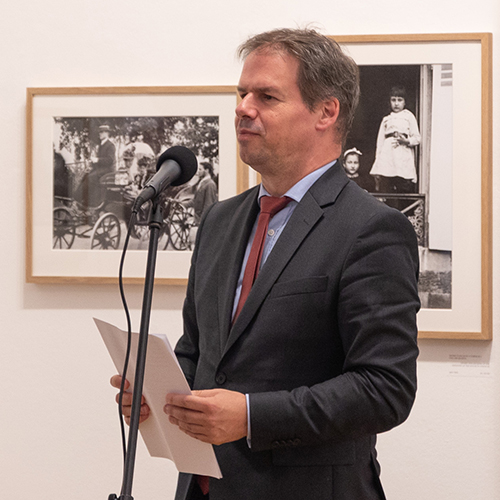
The exhibition will be opened by Attila Bartis, writer, photographer
Online ticket purchasing options


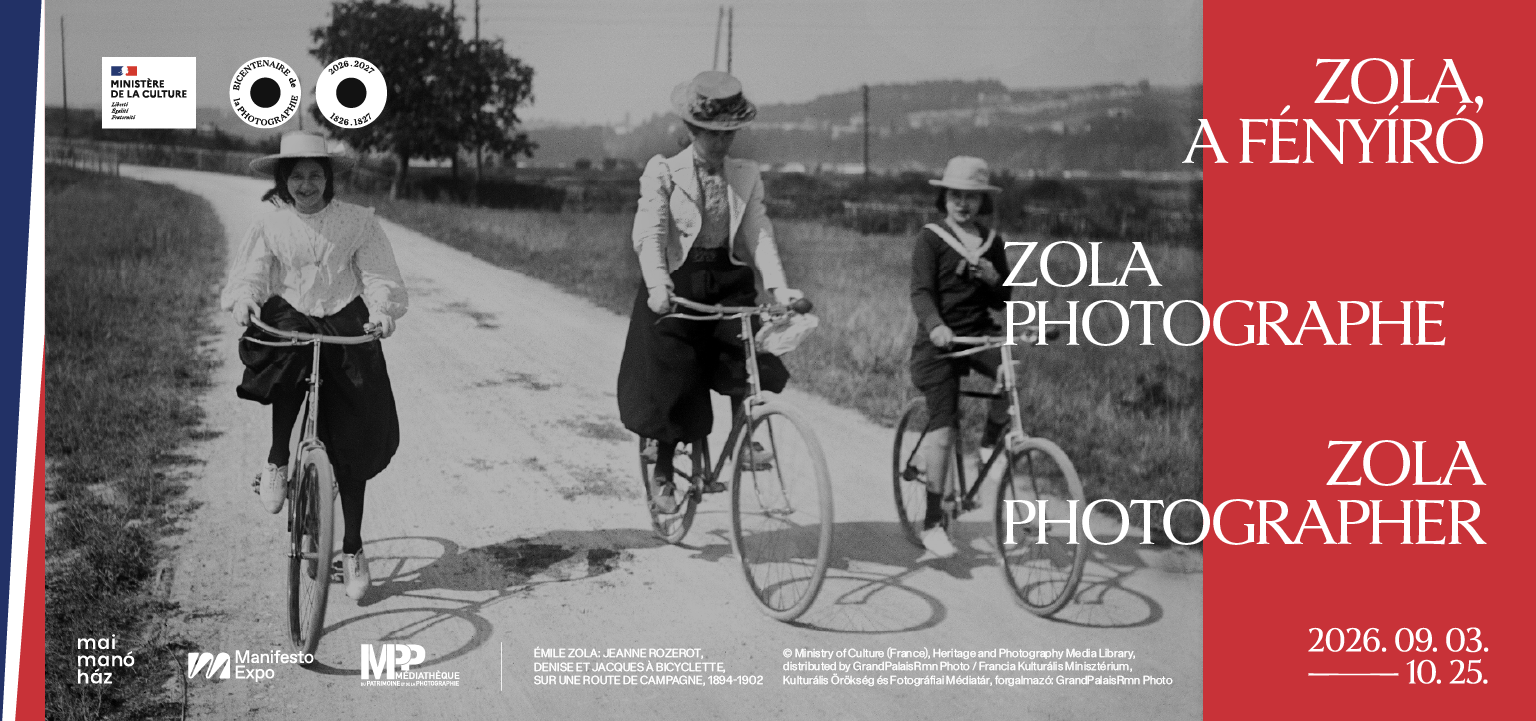
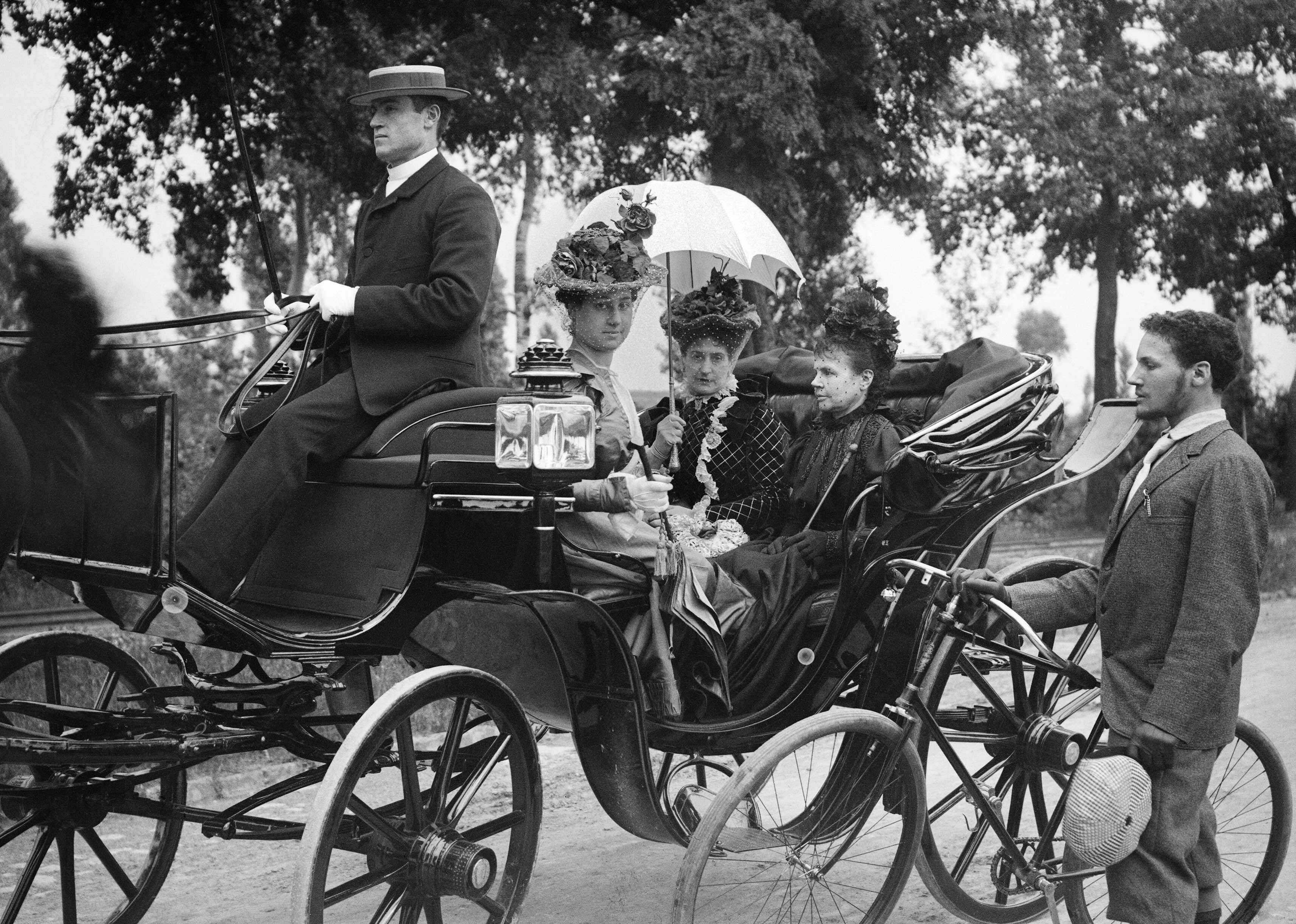
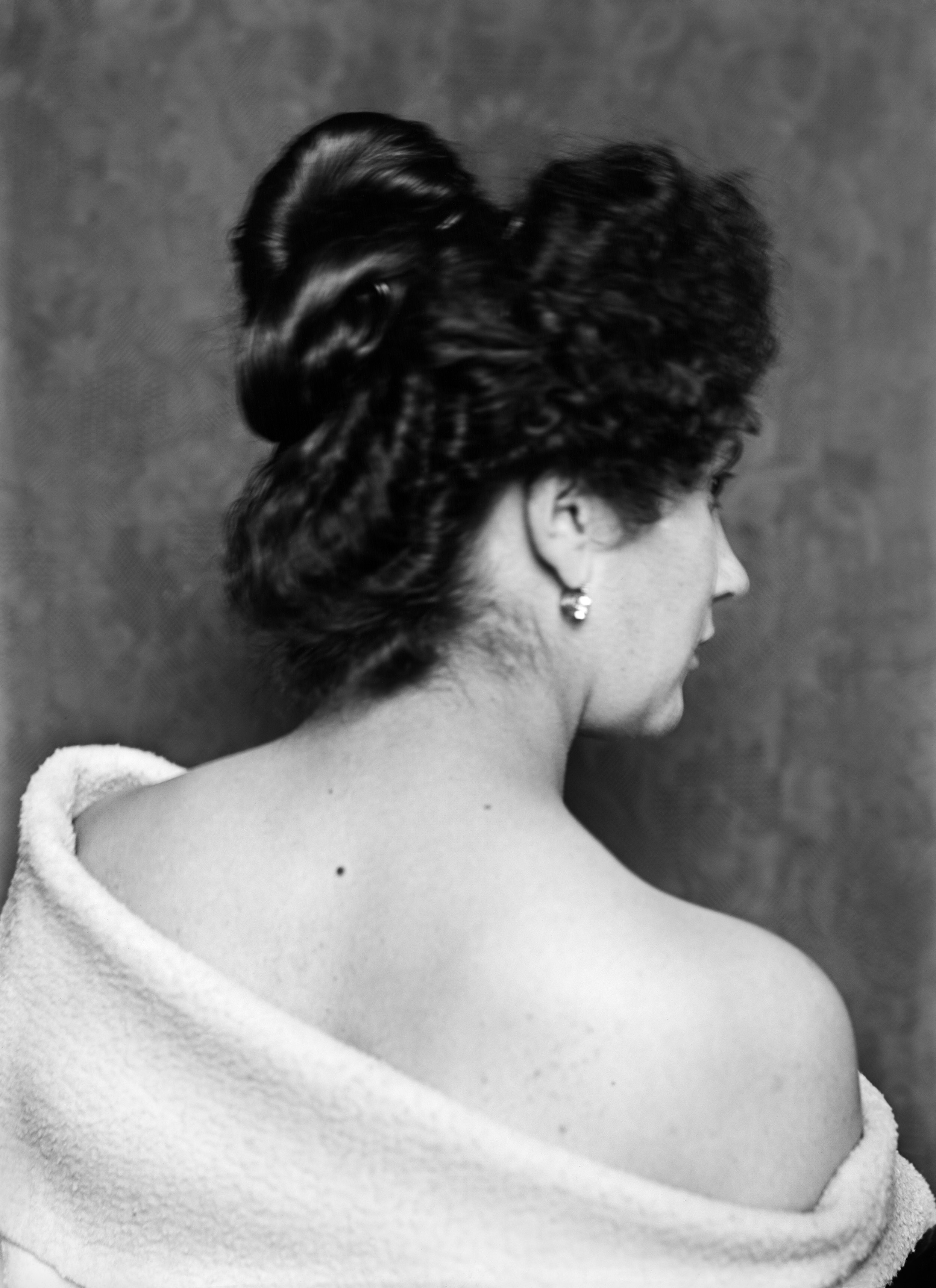
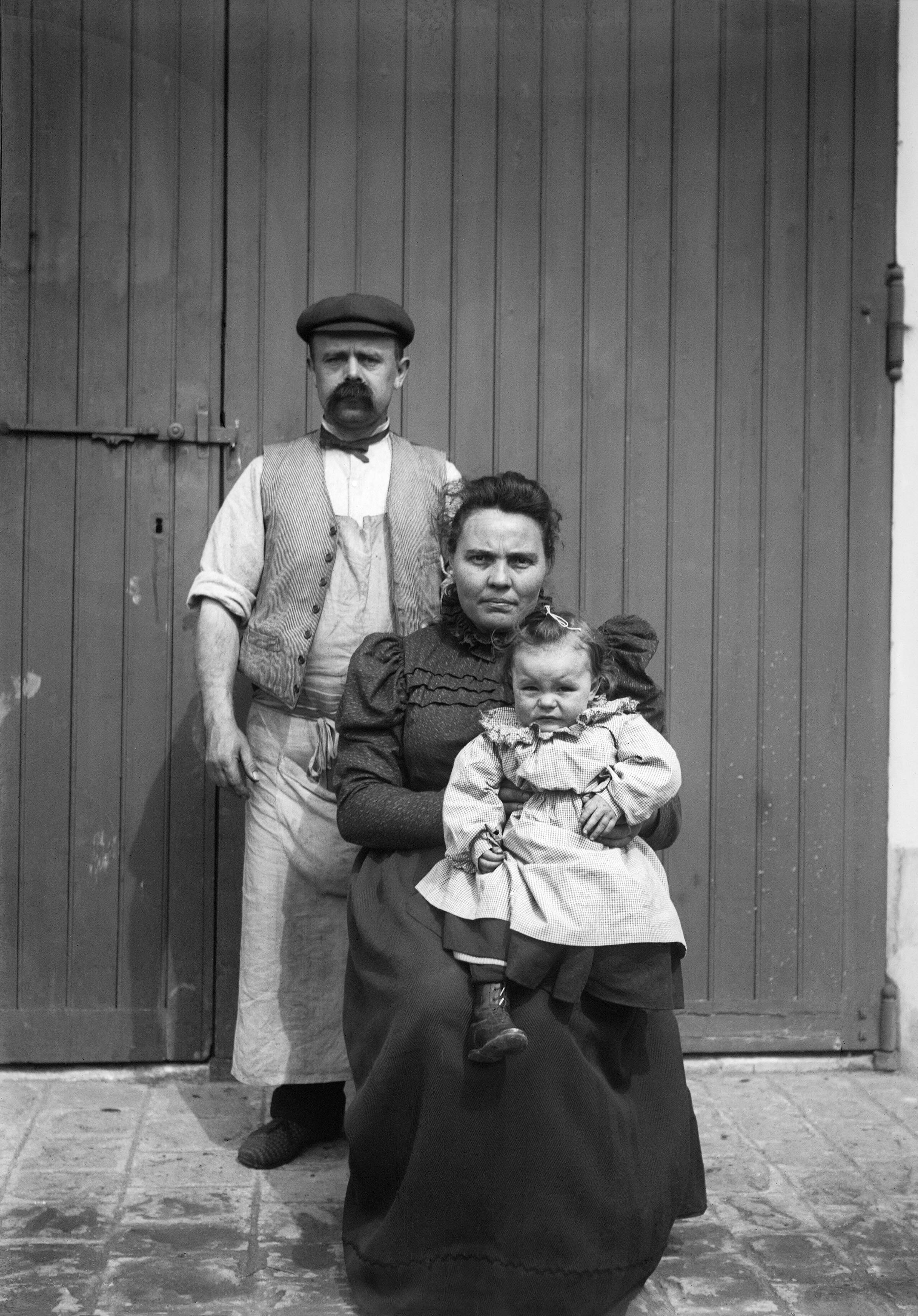
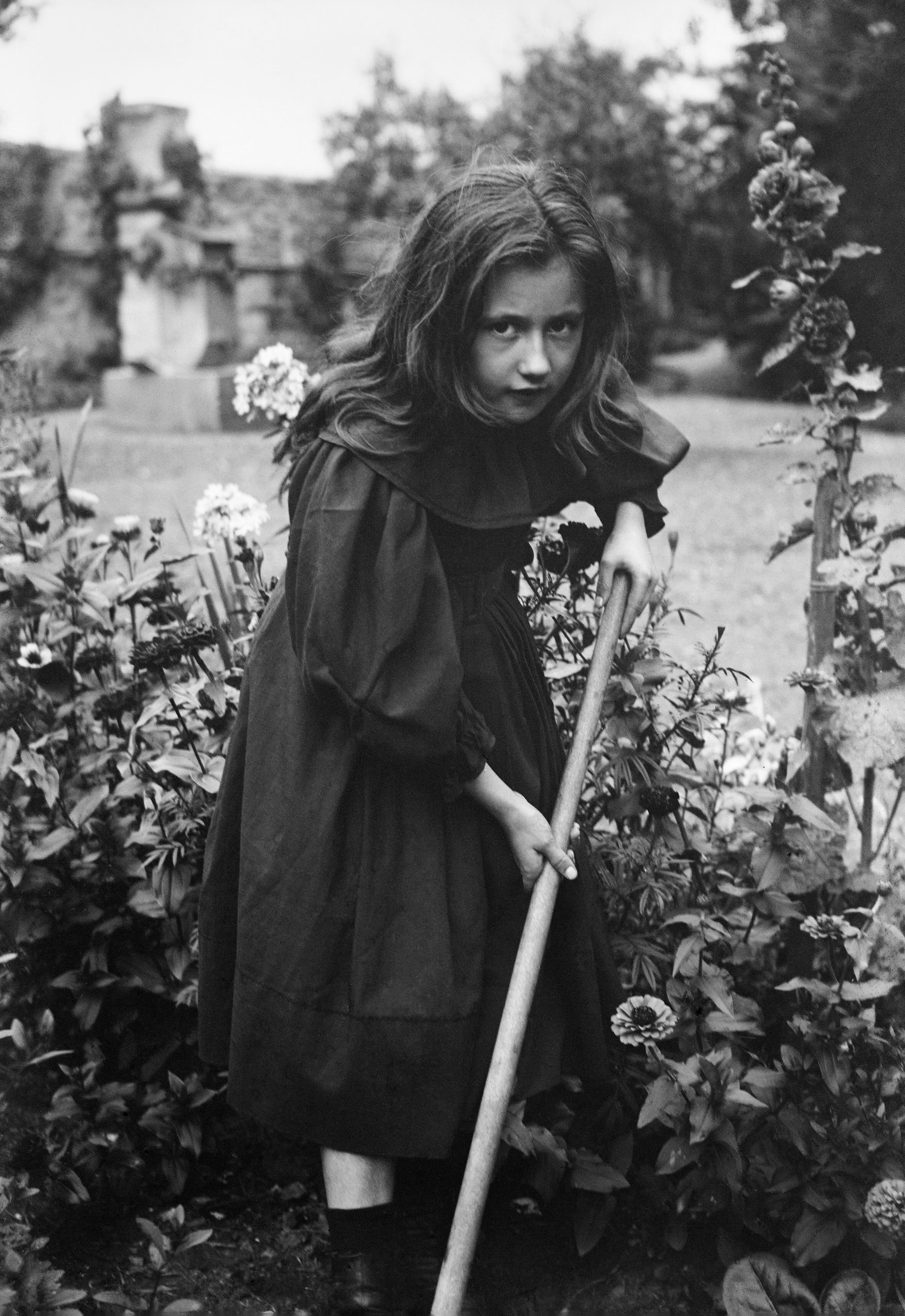
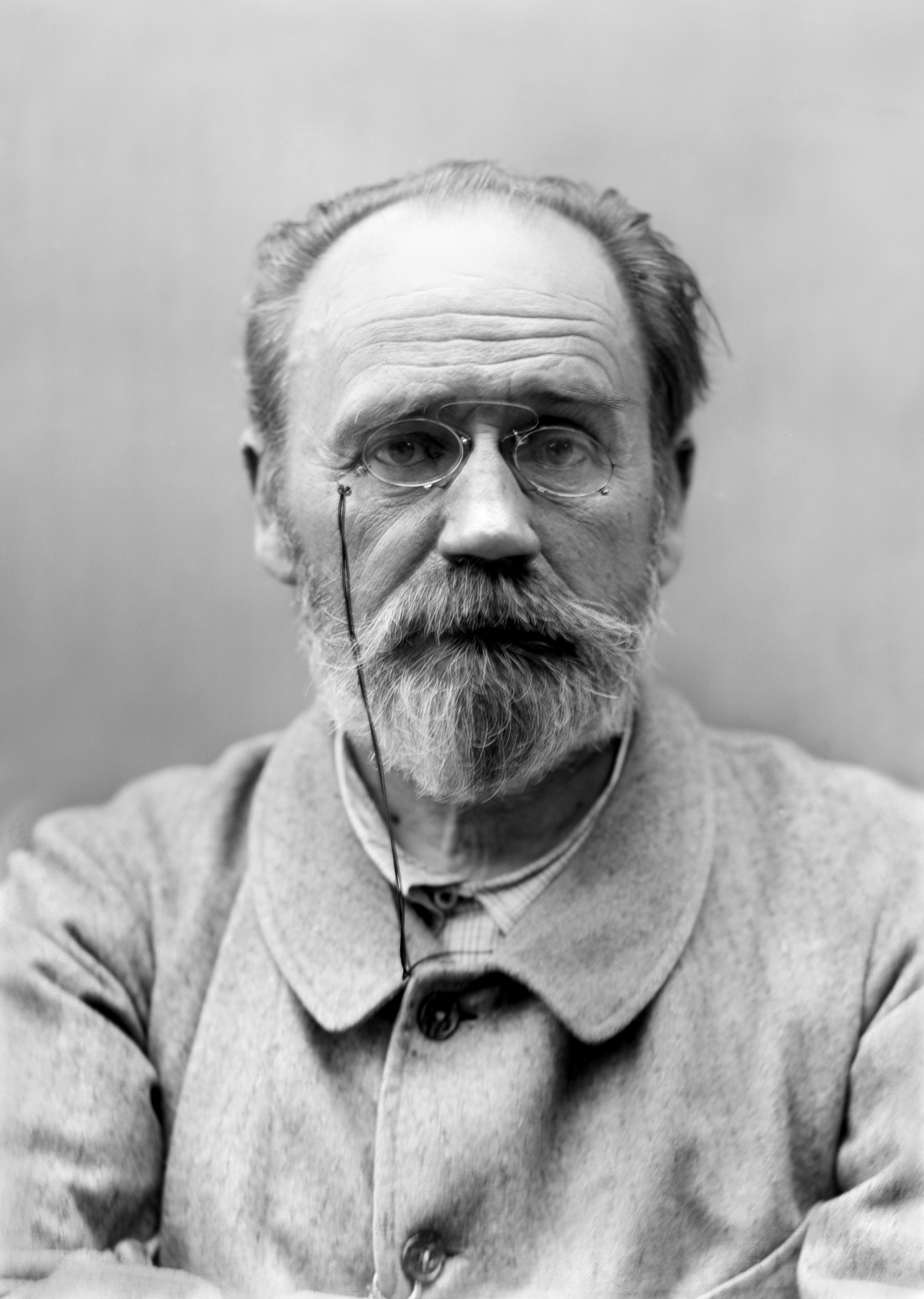
The “Zola the photographer” exhibition reveals a little-known aspect of one of France’s greatest nineteenth-century literary figures. The name of Émile Zola is more generally associated with literary naturalism, the Rougon-Macquart cycle of novels and the famous “J’Accuse...!”(“I accuse…!”) article he wrote concerning the Dreyfuss affair.
This exhibition concentrates on the significant photographic work he undertook during the later years of his life, a large part of which is now accessible thanks to a number of recent research and restoration programs.
Zola started practicing photography at the age of forty-eight. Even though some of his closest friends were recognised figures in the area such as Félix Nadar and Étienne Carjat, he was largely self-taught. After the completion of his major literary works, from 1894 onwards photography would become a part of his daily life. His technical interest in the subject was such that he would install dark rooms in his homes so that he could develop and print his photographic work himself. He left behind over two thousand glass negatives and numerous prints in the archive collections, having used the lens to explore the world from a new angle.
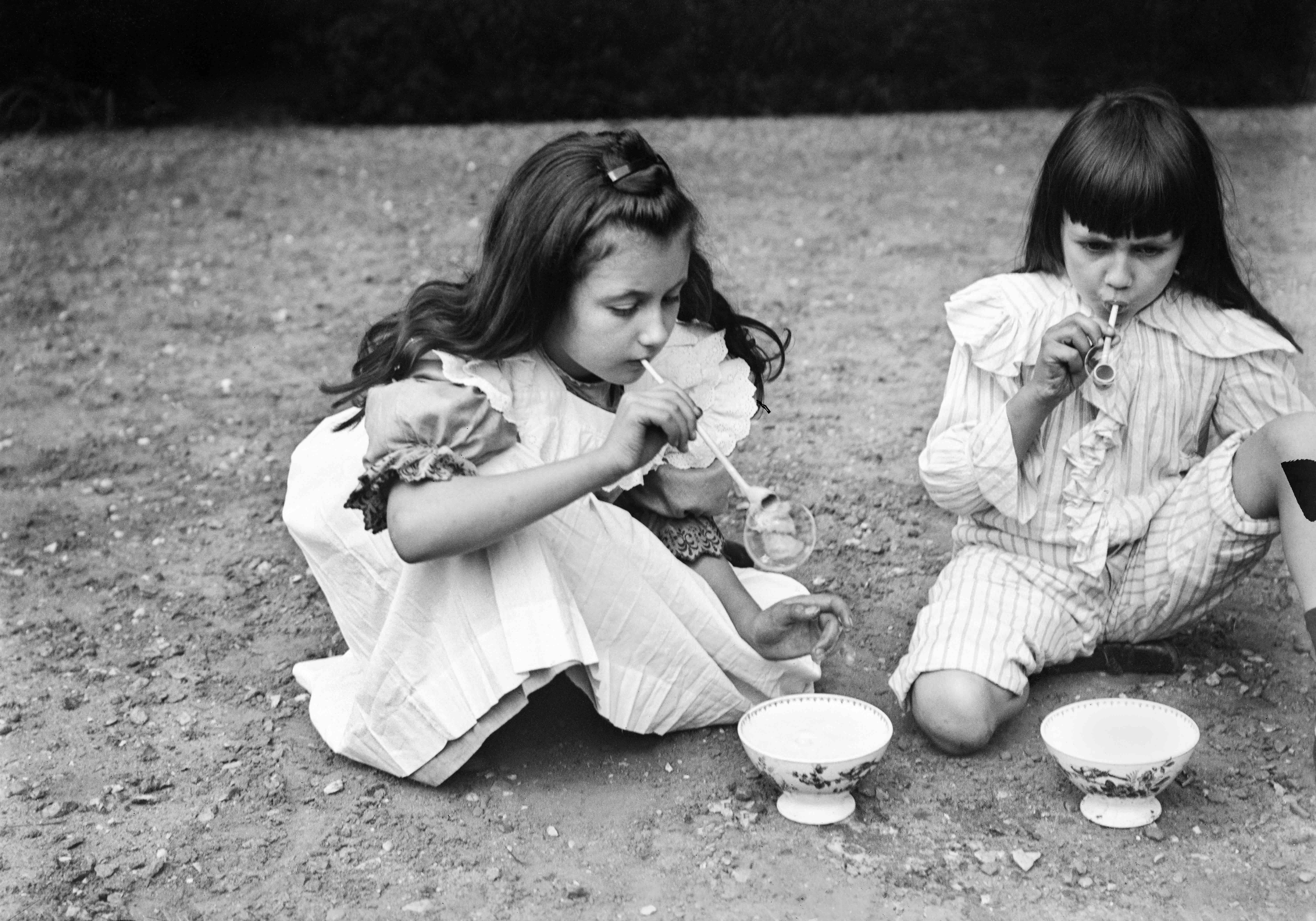
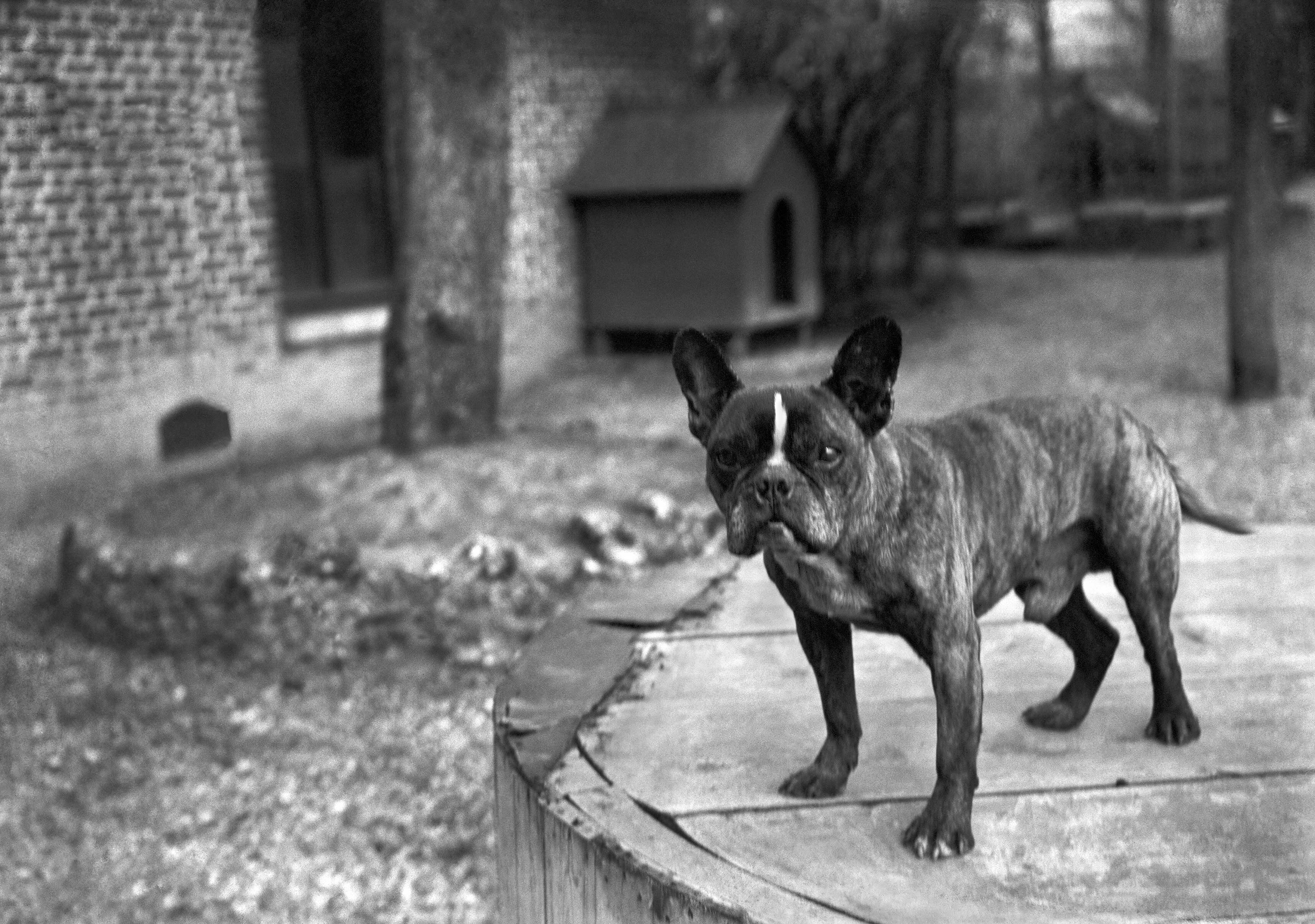
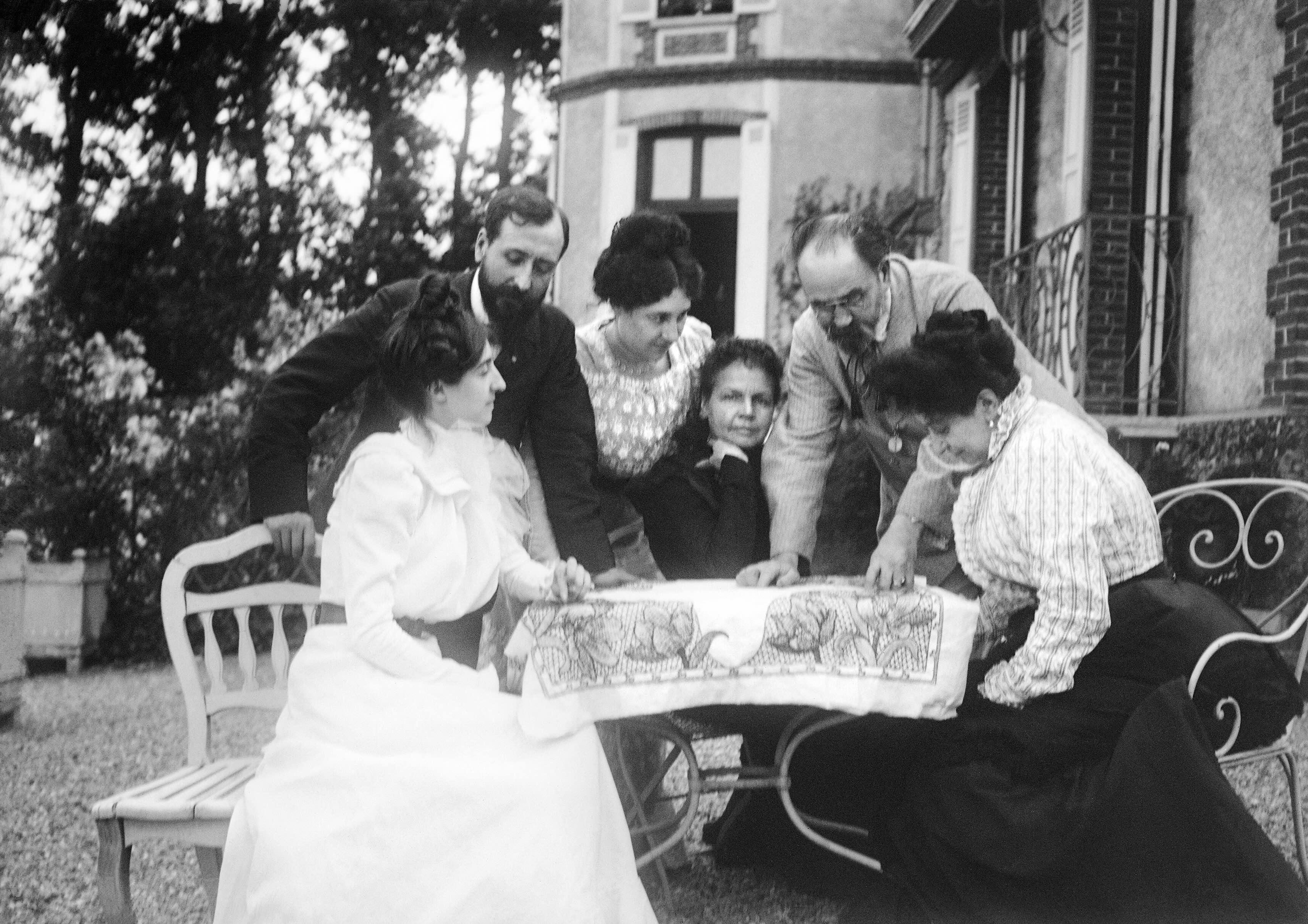
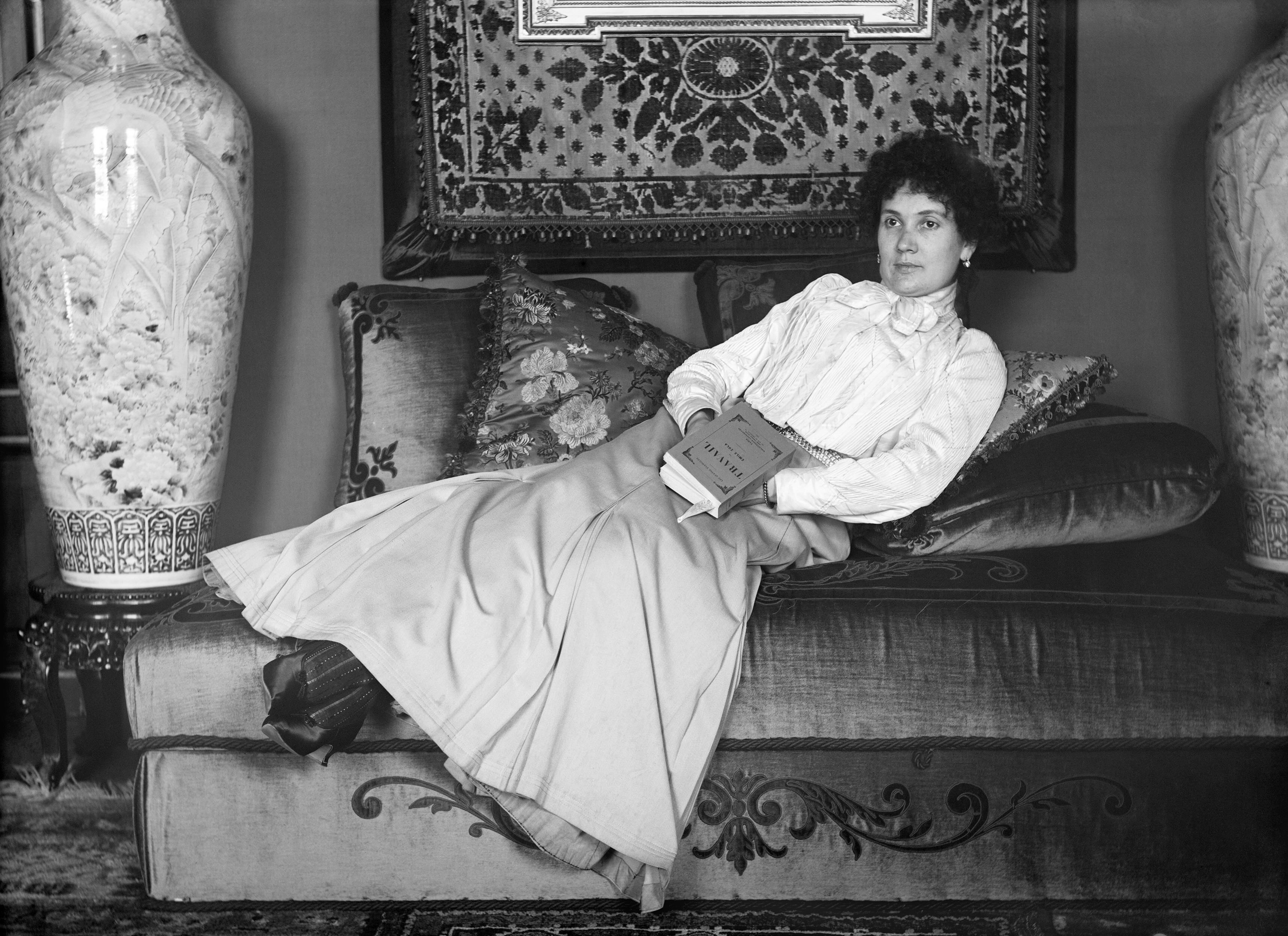
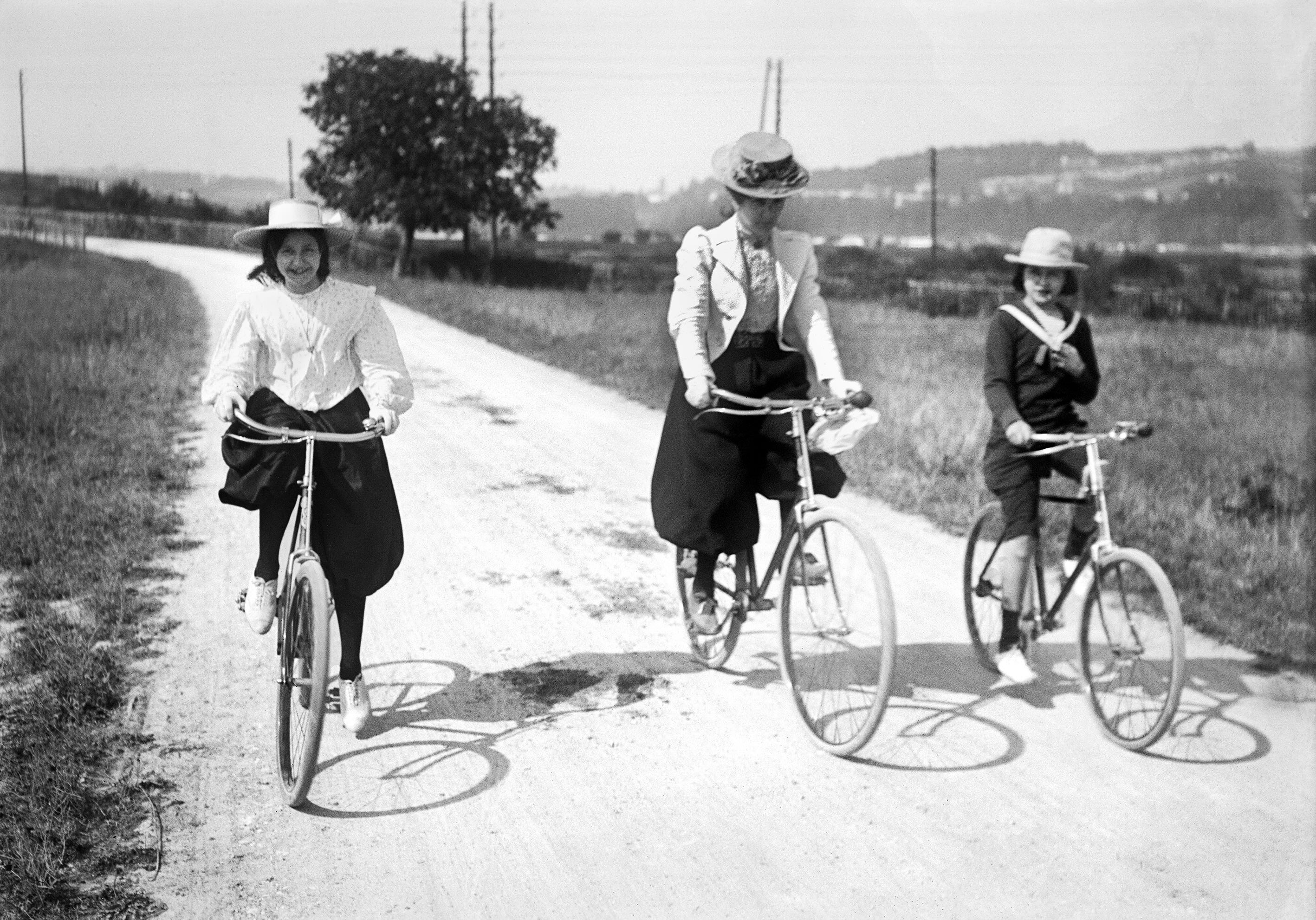
As a writer he stood out for his thorough analysis of social injustice, but as a photographer he turned his attention to the intimate and personal. His images capture family members, friends and his domestic environment; often in a playful, sensitive or meditative way. The shift in his approach is not just thematic but also perceptive: his critical view of society came to be replaced by an empathic vision which paid closer attention to the fragility of the present instant.
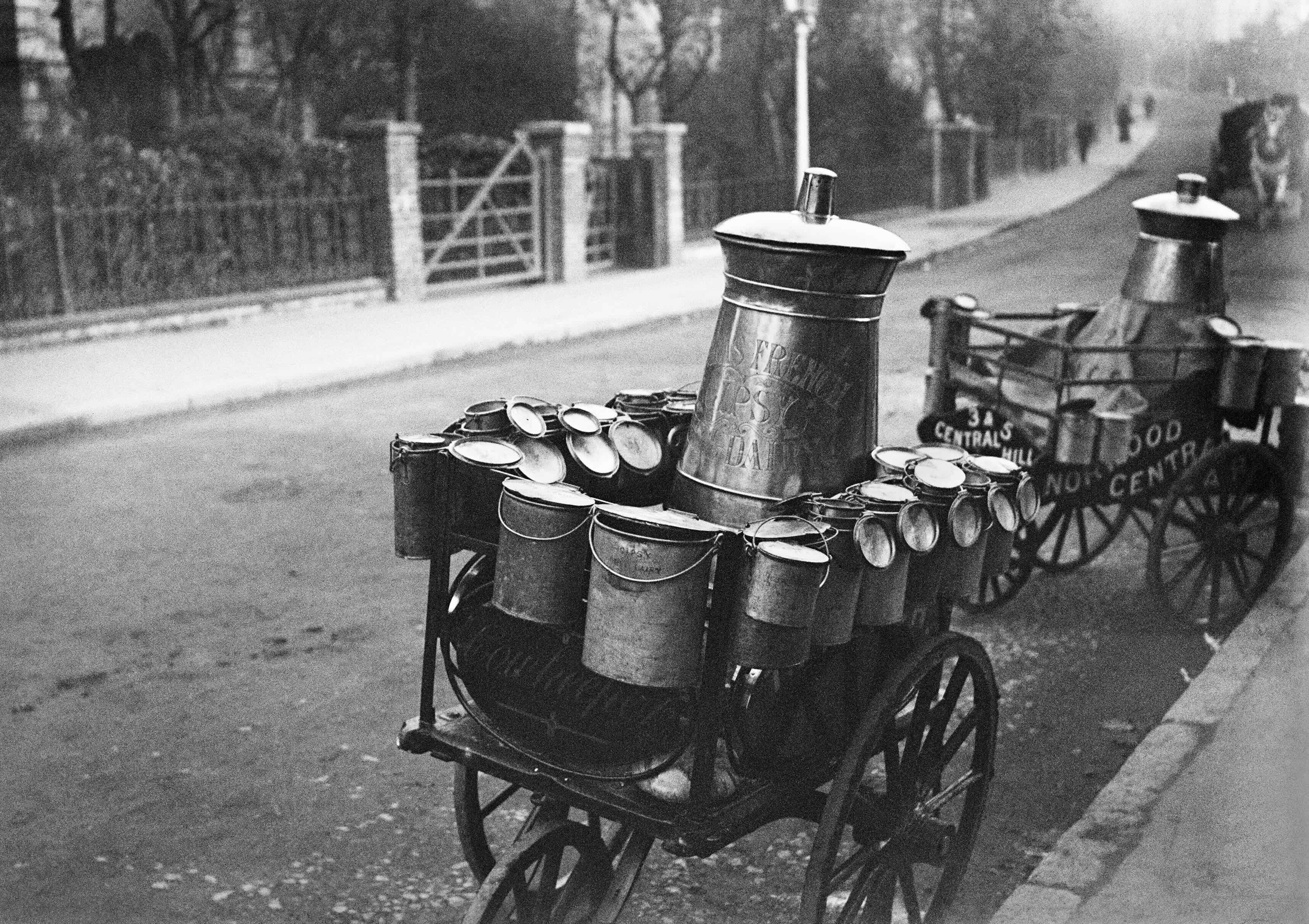
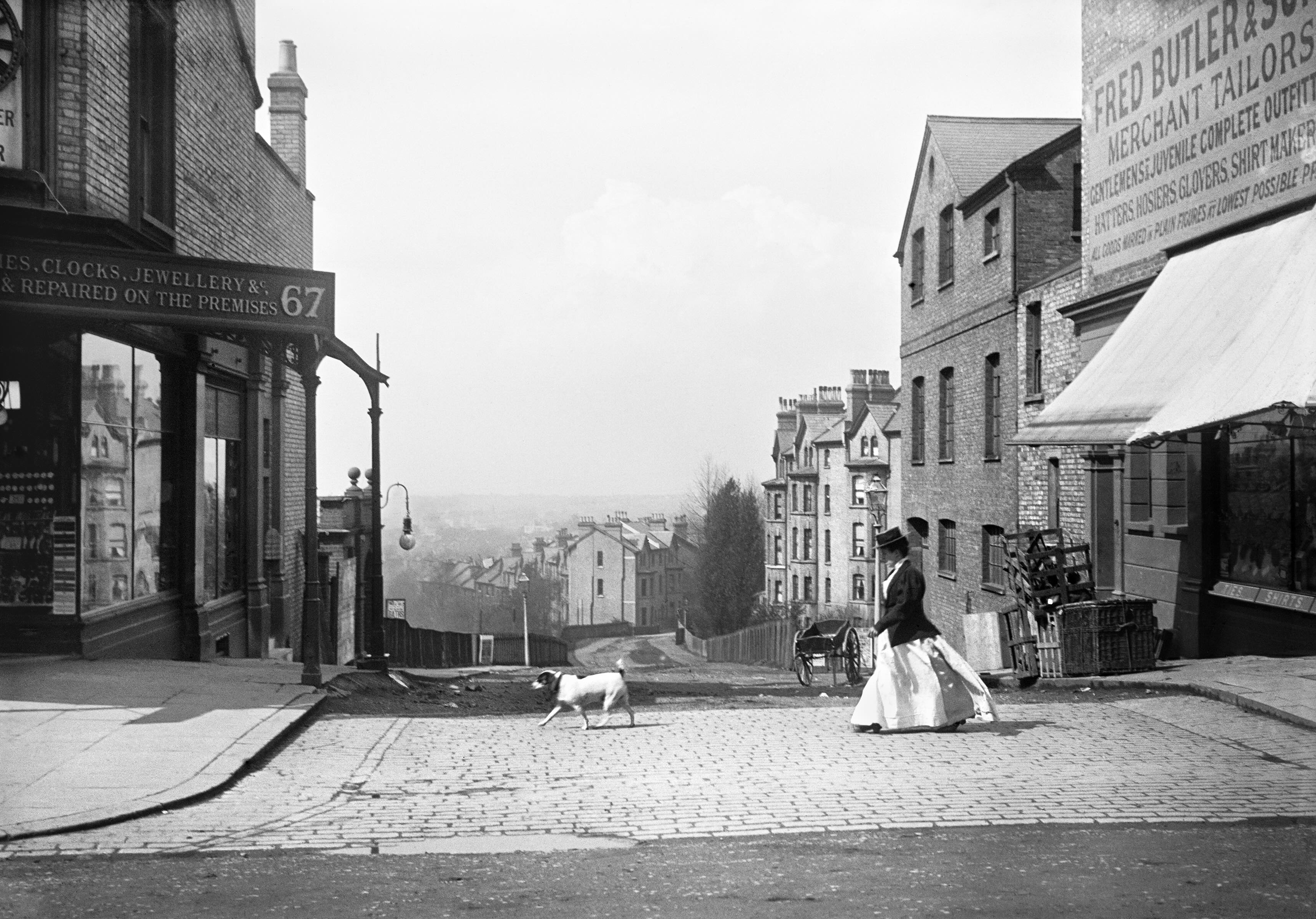
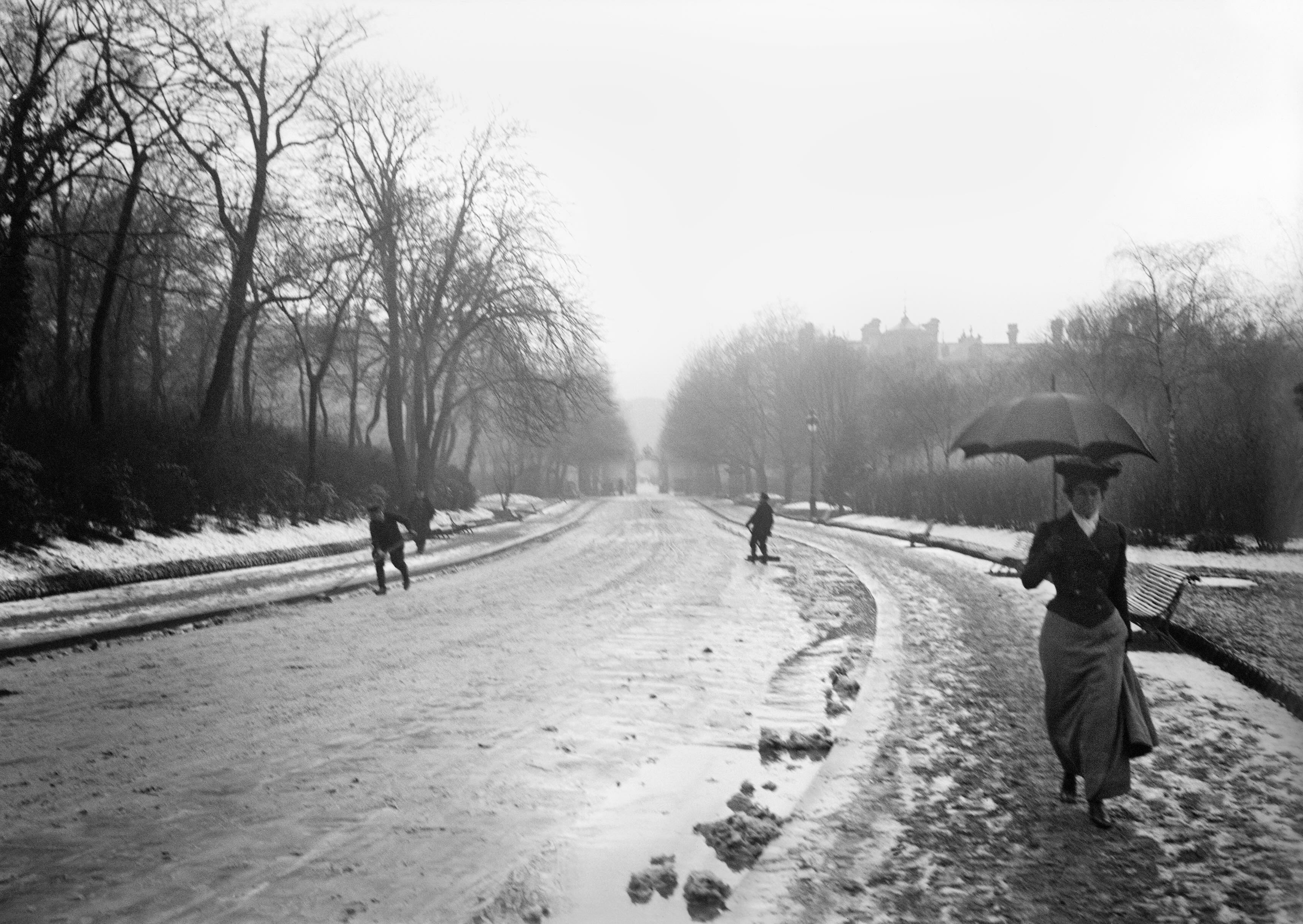
Zola’s photography also reveals his deep interest in visual art. As an art critic and supporter of the impressionist movement, he had learnt the principles of pictorial composition and this can be clearly seen in many of his photos. His friendship with Paul Cezanne, along with his active participation in the artistic scene of his time, nourished the visual sensibility which would later characterise his photographic work. Some of his urban scenes also present clear parallels to the use of perspective and composition that can be seen in the work of Gustave Caillebotte.
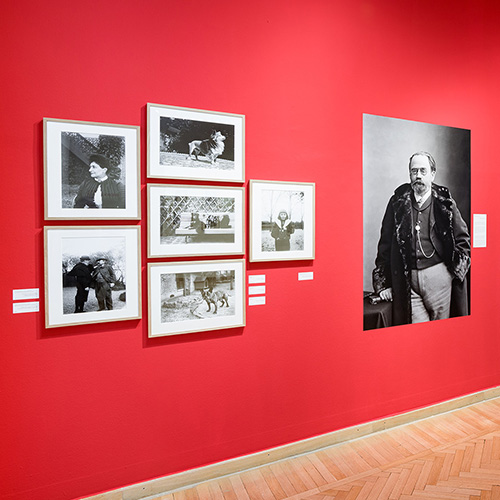
This exhibition presents around a hundred modern prints taken from his negatives, along with fourteen prints from his time, providing the viewer with a chance to discover the “other” Zola.
Behind this monumental figure of literary history there is also a careful observer, a family man with a keenly experimental approach producing images that stand as a subtle and personal testimony to domestic life at the end of the nineteenth century.
All of the works on show come from the collection of the Médiathèque du patrimoine et de la photographie (Media Library of Heritage and Photography), which completed a significant restoration and digitalisation program between 2017 and 2020 facilitating the availability of the Zola archives for research work. With over twenty-five million works, this institution possesses one of Europe’s largest photography collections, in which the Zola photography archive now occupies a well-deserved position.
Suggested time to visit the exhibition: 30‒40 min.
Mai Manó House is not barrier-free.
Please note that audio and video recordings may be made on our events, from which Mai Manó House may use extracts to promote the institution's programmes.